Residential demolition demands far more than heavy equipment and force. It requires coordinated planning, compliance with permits, and strict safety measures to ensure surrounding structures and properties remain protected. Whether you’re removing a damaged structure, replacing an aging home, or clearing space for new development, residential demolition must be carried out in a controlled, methodical manner. Every step, from disconnecting utilities to final site grading, affects what happens next on the property.
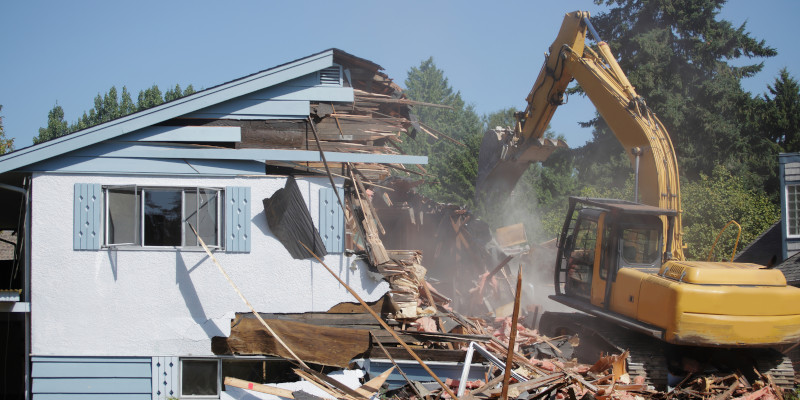
Here’s why a properly managed residential demolition project is important:
- Safe Structure Removal. Residential demolition involves strategic dismantling rather than uncontrolled collapse. Careful sequencing minimizes vibration, limits dust migration, and reduces the risk of unintended damage to neighboring structures or underground utilities.
- Efficient Debris Management. Organized residential demolition includes sorting materials, loading debris safely, and coordinating disposal or recycling when possible. Proper debris handling keeps the site clear and reduces hazards during the process.
- Site Preparation for Future Projects. Residential demolition isn’t complete when the structure is gone. The site must be cleared, graded, and prepared to support whatever comes next, whether that’s new construction, landscaping, or redevelopment.
- Regulatory Coordination. Residential demolition often requires permits, inspections, and compliance with local codes. Proper documentation and utility disconnection are essential before any structural removal begins.
At Snead’s Outdoor Services, we handle residential demolition with structured planning, controlled execution, and clear site management so every project moves forward safely and efficiently. Without careful oversight, demolition can lead to delays, property damage, or unexpected complications that impact the next phase of the project.